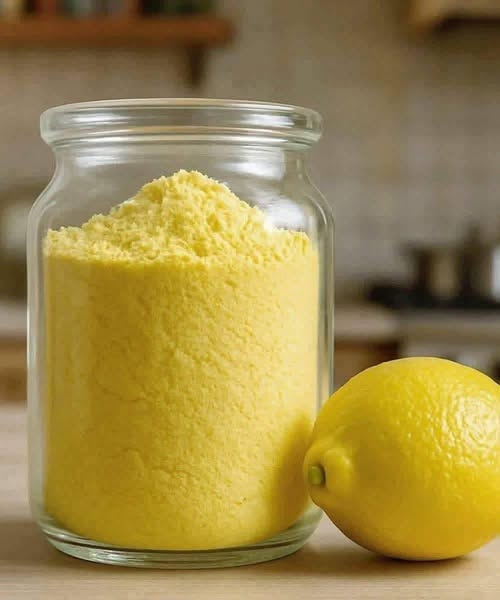
Have you ever squeezed a fresh lemon for a recipe, only to stare at the discarded rind and wonder if it’s destined for the compost bin? Stop right there! Those seemingly useless peels actually conceal a fragrant, gourmet secret: handmade lemon powder. Imagine having the bright, concentrated essence of summer captured in a tiny jar, ready to add a sophisticated zing to your savory dishes and delicate desserts at a moment's notice.
Homemade lemon powder is more than just a kitchen hack; it is a way to embrace zero-waste cooking while elevating your flavor profiles to a professional level. This easy, cost-effective method allows you to transform simple citrus scraps into a potent, aromatic ingredient that smells like pure sunshine. Whether you are a seasoned chef or a home cooking enthusiast, this citrus treasure is about to become your new pantry essential.
Ingredients You'll Need
- Organic or Untreated Lemons: As many as you like (the more you use, the more powder you create!).
- Cold Water: For thorough washing.
- Baking Soda (Optional): To ensure a deep clean if organic lemons aren't available.
Step-by-Step Instructions
Follow these precise steps to ensure your lemon powder is vibrant, aromatic, and free from bitterness.
1. Selecting and Preparing Your Lemons
For the best results, always choose organic or untreated lemons. This ensures you are using the peel itself without any chemical residues. If you cannot find organic, scrub your lemons vigorously with baking soda and cold water to remove surface impurities. Wash them thoroughly and pat them completely dry.
2. Zesting Without the Bitterness
Using a vegetable peeler or a microplane, remove only the yellow outer layer of the skin. Crucial Tip: Avoid the white pith underneath. The pith is incredibly bitter and will ruin the delicate flavor of your powder.
3. The Drying Process
You can choose the method that best fits your kitchen setup:
- Oven-Drying: Spread the zest on a baking sheet and place it in the oven at the lowest possible setting (around 140°F/60°C) for 1–2 hours. Check frequently to prevent burning.
- Dehydrator Method: This is the most consistent method. Set your dehydrator to 135°F (57°C) and dry for 2–3 hours until the zest is brittle.
- Sun-Drying: For a traditional approach, spread the zest on a clean cloth in a bright, dry area for 2–3 days. Remember to bring them indoors at night to protect them from humidity.
4. Grinding to Perfection
Once the zest is completely brittle and snaps easily, transfer it to a spice grinder, a high-speed blender, or use a mortar and pestle. Grind until you achieve a fine, uniform powder.
5. Storing Your Treasure
Transfer the lemon powder into an airtight glass container. Store it in a cool, dark place like a pantry to preserve its volatile oils and intense aroma.
Why This Recipe is a Kitchen Essential
Unlike store-bought citrus powders, which often contain fillers or have lost their potency through processing, homemade lemon powder is pure, concentrated flavor. It is loved by home cooks because it offers unmatched convenience and a massive flavor punch. It allows you to add acidity and citrus notes to recipes where liquid juice might ruin the texture—such as in dry rubs, flaky pastries, or delicate meringues.
Pro Tips for Perfection
- Avoid Over-Drying: If you dry the zest too long or at too high a temperature, the essential oils will evaporate, leaving you with a dull, bitter powder rather than a fragrant one.
- The Sieve Trick: If your powder feels slightly grainy, pass it through a fine-mesh sieve to ensure a silky, professional texture.
- Use Ripe Fruit: Always use fully ripe lemons; their zest contains a higher concentration of aromatic oils.
Creative Serving Suggestions
The versatility of lemon powder is virtually endless. Here are a few ways to use it:
Savory Delights
- Meat Rubs & Marinades: Mix with salt, pepper, and garlic for an incredible crust on grilled chicken or fish.
- Herb Infusions: Blend your lemon powder with dried thyme or rosemary for a sophisticated Mediterranean seasoning.
- Spicy Zest: Add a pinch of chili powder or black pepper to the lemon powder for a zesty, spicy kick on roasted vegetables.
Sweet Treats
- Gourmet Baking: Fold it into sugar cookie dough, cake batters, or sprinkle it over lemon shortbread.
- Infused Sweetener: Mix the powder with granulated sugar to create a homemade lemon sugar for topping muffins or tea.
- Dessert Toppings: Dust it over fresh berries or pavlova for a bright, acidic contrast.
Refreshing Beverages
- Cocktail Magic: Use it to rim cocktail glasses or stir it into a gin and tonic for a concentrated citrus burst.
- Tea Blends: Mix with dried mint or ginger for a refreshing, homemade citrus tea.
Storage & Shelf Life
To keep your lemon powder at its peak, always keep the lid tightly sealed. It will stay vibrant for up to six months in a cool, dark pantry. For even longer storage, you can keep it in the freezer—just ensure it reaches room temperature before opening the jar to prevent moisture from entering.
Conclusion: Small Peel, Big Impact
Making your own lemon powder is the ultimate culinary "win." It is a simple, sustainable way to reduce food waste while creating a high-end ingredient that will transform your cooking from ordinary to extraordinary. Next time you reach for a lemon, don't throw the peel away—embrace the potential. Your pantry (and your taste buds) will thank you!