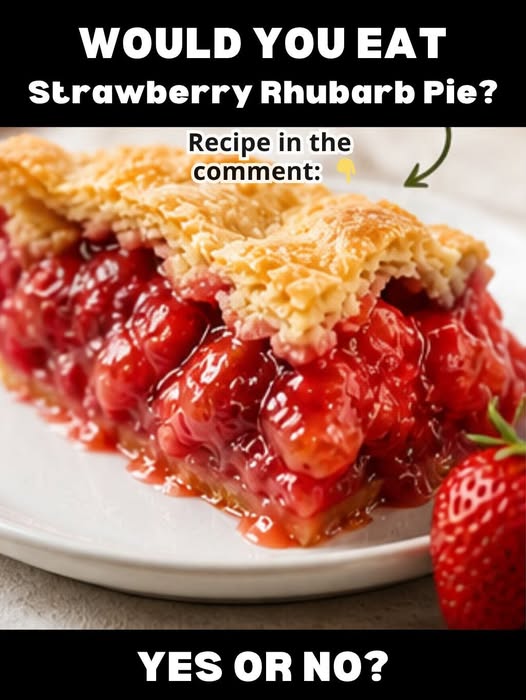
Tired of soggy crusts or overly tart fruit? This classic Strawberry Rhubarb Pie recipe delivers that nostalgic, melt-in-your-mouth perfection every single time. Discover the secret to the ultimate balance of sweet and tangy in your next seasonal dessert.
There is a specific kind of magic that happens when spring begins to bloom and the first stalks of bright red rhubarb emerge from the garden alongside the first sun-ripened strawberries. It is the season of contrast. As you pull this old-fashioned strawberry rhubarb pie from the oven, the aroma fills your kitchen with a heady, sweet-tart fragrance that immediately transports you back to grandmother's kitchen. The crust is golden-brown and impossibly flaky, shattering slightly under the weight of a silver pie server, revealing a bubbling, jewel-toned filling that dances between intense acidity and luscious sweetness.
Every bite offers a sensory symphony: the warmth of the fruit, the slight chew of the thickened juices, and the buttery, salt-kissed crunch of the pastry. This isn't just a dessert; it is a celebration of the season. Whether you are hosting a garden party or simply looking for the ultimate comfort food to enjoy on a breezy afternoon, this recipe is the gold standard. It is the kind of pie that stops conversations at the dinner table, leaving everyone reaching for a second slice before they’ve even finished the first.
Why You’ll Love This Strawberry Rhubarb Pie
If you have struggled with fruit pies that are either too liquidy or far too sour, this recipe is about to become your new kitchen staple. Here is why this version reigns supreme:
- The Perfect Balance: We have mastered the ratio of sweet strawberry to tart rhubarb so every bite is harmonious.
- Foolproof Thickening: No more "soup" at the bottom of your plate; our method ensures a luscious, jammy consistency.
- Seasonal Perfection: It highlights the freshest, most vibrant flavors of spring and early summer.
- Texture Heaven: A focus on a flaky, buttery crust that provides the perfect structural contrast to the soft fruit.
- Crowd-Pleasing: It is a timeless classic that appeals to children and adults alike.
Ingredients You Will Need
To achieve that professional, bakery-quality result, ingredient quality matters. While you can certainly use pantry staples, choosing high-quality components will elevate this pie to legendary status.
For the Fruit Filling
- 4 cups Fresh Strawberries: Hulled and sliced. Fresh strawberries provide a much cleaner, brighter flavor than frozen varieties, which can sometimes become mushy.
- 3 cups Fresh Rhubarb: Sliced into 1/2-inch pieces. Rhubarb provides that signature "zing." Look for stalks that are bright red for the best color and flavor.
- 1 cup Granulated Sugar: This provides the sweetness needed to counteract the rhubarb’s natural acidity.
- 1/4 cup Cornstarch: This is our "secret weapon" to ensure the juices thicken into a beautiful glaze rather than a watery mess.
- 1 tablespoon Lemon Juice: A splash of acidity to brighten the strawberry notes and balance the sugar.
- 1 teaspoon Vanilla Extract: Adds a layer of aromatic depth that ties the fruit and pastry together.
- 1/4 teaspoon Salt: Essential for enhancing the sweetness and cutting through the tartness.
For the Flaky Pie Crust
- 2 1/2 cups All-Purpose Flour: The foundation of your pastry.
- 1 cup Unsalted Butter: Cold, cubed. High-quality butter is the key to those beautiful, flaky layers.
- 1 teaspoon Sugar: A tiny hint of sweetness for the dough itself.
- 1 teaspoon Salt: To season the crust.
- 6 to 8 tablespoons Ice Water: Use as little as possible to bring the dough together; too much water leads to a tough crust.
- 1 Egg (for egg wash): To give the crust that gorgeous, golden sheen.
- Coarse Sanding Sugar (optional): For a delightful crunch on top.
Step-by-Step Instructions
1. Prepare the Flaky Pastry Crust
Begin by preparing your dough, ideally a few hours before you plan to bake. In a large mixing bowl, whisk together your flour, sugar, and salt. Add the cold, cubed unsalted butter to the dry ingredients. Using a pastry cutter or two forks, work the butter into the flour until the mixture resembles coarse crumbs with some pea-sized chunks of butter still visible. These chunks of butter are what create steam in the oven, resulting in those coveted flaky layers. Gradually add ice water, one tablespoon at a time, tossing with a fork until the dough just begins to hold together when pressed. Turn the dough onto a lightly floured surface, divide it into two equal discs, wrap them in plastic, and refrigerate for at least one hour. Chilling the dough is non-negotiable; it relaxes the gluten and ensures the butter stays cold.
2. Macerate and Mix the Fruit Filling
While your dough chills, prepare your fruit. In a large mixing bowl, combine your sliced strawberries and chopped rhubarb. Sprinkle the granulated sugar, cornstarch, salt, lemon juice, and vanilla extract over the fruit. Use a large spoon to gently toss everything together. You will notice the sugar beginning to draw moisture out of the fruit—this is called maceration. This process is vital because it pre-hydrates the cornstarch and ensures the fruit is coated in a flavorful syrup before it ever hits the oven. Once combined, let the mixture sit for about 15 minutes while you roll out your dough. This prevents the fruit from being too "dry" inside the pie.
3. Roll Out the Crusts
On a well-floured surface, take your first disc of chilled dough and roll it out into a circle approximately 12 inches in diameter. Aim for a thickness of about 1/8 of an inch. If the dough becomes too soft, pop it back in the fridge for 10 minutes. Carefully transfer the bottom crust to your 9-inch pie dish. You can gently lift it by the edges or roll it directly into the pan. Press it gently into the bottom and up the sides, ensuring there are no large gaps or air pockets. For the top crust, you have two choices: roll out a second disc to cover the entire pie (remember to cut slits for steam to escape!), or roll it out and cut it into strips to create a beautiful, rustic lattice pattern. A lattice crust is highly recommended for strawberry rhubarb pie as it allows excess moisture to evaporate more efficiently.
4. Assemble and Seal the Pie
Pour the prepared fruit and its juices into the prepared bottom crust, spreading it evenly. If you are using a full top crust, lay it over the fruit and trim the excess, leaving about an inch of overhang. Fold the top edge under the bottom edge and crimp with your fingers or a fork to seal the edges tightly. If you are making a lattice, weave the strips over and under each other, then crimp the ends to the bottom crust. Brush the top of the crust with a lightly beaten egg (egg wash) to ensure a professional, golden finish, and sprinkle with a little coarse sugar if desired.
5. The Baking Process
Preheat your oven to 400°F (200°C). Place your pie on a baking sheet—this helps catch any bubbling juices that might overflow and prevents them from burning on the bottom of your oven. Bake the pie for the first 20 minutes at 400°F to set the crust, then reduce the oven temperature to 375°F (190°C). Continue baking for another 35 to 45 minutes. You are looking for two specific signs of doneness: the crust should be a deep, golden brown, and the fruit filling should be bubbling thick, viscous juices through the vents or lattice gaps. If the edges of the crust are browning too quickly, loosely tent them with aluminum foil for the remainder of the bake.
6. The Most Important Step: Cooling
I know it is tempting to slice into that warm, bubbling pie immediately, but patience is your best friend here. You must allow the pie to cool completely on a wire rack for at least 3 to 4 hours. This cooling period allows the cornstarch to fully set the fruit juices. If you cut the pie while it is still hot, the filling will be runny and spill out across the plate. As it cools, the juices transform from a liquid into a thick, jammy consistency that holds its shape beautifully when sliced.
Pro Tips & Secrets for Perfection
To take your strawberry rhubarb pie from "good" to "unforgettable," keep these expert secrets in mind:
- Keep Everything Cold: When making the crust, your butter and water must be ice-cold. If the butter melts before the pie hits the oven, you will lose those flaky layers and end up with a mealy, tough crust.
- Don't Skip the Cornstarch: Rhubarb is incredibly watery when heated. Without a thickener like cornstarch, your pie will inevitably become a "soup."
- The "Soggy Bottom" Fix: To prevent a soggy bottom crust, you can pre-bake (blind bake) your bottom crust for 8-10 minutes before adding the filling, or simply bake the pie on the lowest rack of the oven.
- Balance the Acid: If your rhubarb is exceptionally tart, feel free to add an extra 2 tablespoons of sugar. Taste your fruit mixture before assembling to ensure the balance is to your liking.
- Use a Lattice: I cannot stress this enough—a lattice top allows steam to escape. This prevents the crust from getting soggy from the inside out and helps the filling thicken properly.
Variations & Substitutions
This recipe is a versatile foundation that you can adapt to your dietary needs or local availability:
- Strawberry Rhubarb Crumble: If you prefer a texture change, skip the top crust entirely. Instead, top your fruit filling with a mixture of oats, brown sugar, flour, and cold butter for a delicious "streusel" topping.
- Gluten-Free Version: Use a high-quality gluten-free all-purpose flour blend (one that contains xanthan gum) and substitute the cornstarch with tapioca starch or arrowroot powder.
- Berry Medley: Want to broaden the flavor profile? Add a cup of fresh raspberries or blueberries to the filling for a multi-berry seasonal explosion.
- Vegan Friendly: Substitute the unsalted butter in the crust with high-quality vegan butter sticks, and use a plant-based milk/syrup mixture instead of egg wash for the golden finish.
Serving Suggestions & Pairings
A pie this magnificent deserves a thoughtful presentation. For a classic experience, serve a generous slice slightly warm with a scoop of premium vanilla bean ice cream. The way the cold cream melts into the warm, tart fruit is pure bliss. If you prefer something lighter, a dollop of freshly whipped cream—heavy on the vanilla—is all you need.
To elevate the meal, pair this pie with a glass of chilled sparkling rosé or a light, fruity dessert wine like a Moscato d'Asti. If you are serving this as part of a brunch, a hot cup of Earl Grey tea with a hint of bergamot complements the citrusy notes of the fruit beautifully. For plating, a simple dusting of powdered sugar on the rim of the plate adds a professional, high-end touch.
Make-Ahead, Storage & Reheating Tips
Make-Ahead: You can prepare the pie dough up to two days in advance; just keep it wrapped tightly in the refrigerator. You can also prepare the fruit filling a few hours ahead of time, but don't let it sit in the sugar too long or it may become overly liquid.
Storage: Because this pie contains fresh fruit and moisture, it is best stored in the refrigerator in an airtight container. It will stay fresh for up to 3 to 4 days.
Reheating: To restore that "just baked" feel, avoid the microwave, which can make the crust rubbery. Instead, place a slice in a toaster oven or a conventional oven at 350°F (175°C) for about 10-15 minutes until the crust is crisp and the filling is warm.
Frequently Asked Questions (FAQ)
Can I use frozen strawberries and rhubarb?
Yes, you can! However, frozen fruit releases significantly more moisture than fresh. If using frozen, do not thaw them before mixing. Increase your cornstarch by about 1-2 tablespoons to account for the extra liquid, and be prepared for a slightly longer baking time.
Why is my pie filling runny?
How do I prevent my pie crust from shrinking?
Crust shrinkage happens when the dough is overworked or not chilled sufficiently. Make sure you chill the dough thoroughly before rolling, and avoid over-handling the dough once it's out of the fridge. Using a cold pie dish can also help.
Can I make this pie without a top crust?
Absolutely! An "open-faced" pie is quite common. Simply bake the fruit in the bottom crust as directed. This can actually result in a more intense fruit flavor as there is more surface area for evaporation.
The Only Strawberry Rhubarb Pie Recipe You'll Ever Need
There is something deeply soul-satisfying about a homemade pie that hits every single note—sweet, tart, flaky, and buttery. This Old-Fashioned Strawberry Rhubarb Pie isn't just a recipe; it's a reliable companion for your seasonal celebrations and a guaranteed way to impress anyone lucky enough to sit at your table. By mastering the balance of the fruit and the science of the crust, you are bringing a piece of culinary tradition into your home.
Now, it's your turn! I can't wait to hear how your pie turns out. Did you add extra berries? Did you go for the lattice or the crumble? Leave a comment below and let me know, or share your beautiful creations with me on social media. Happy baking!