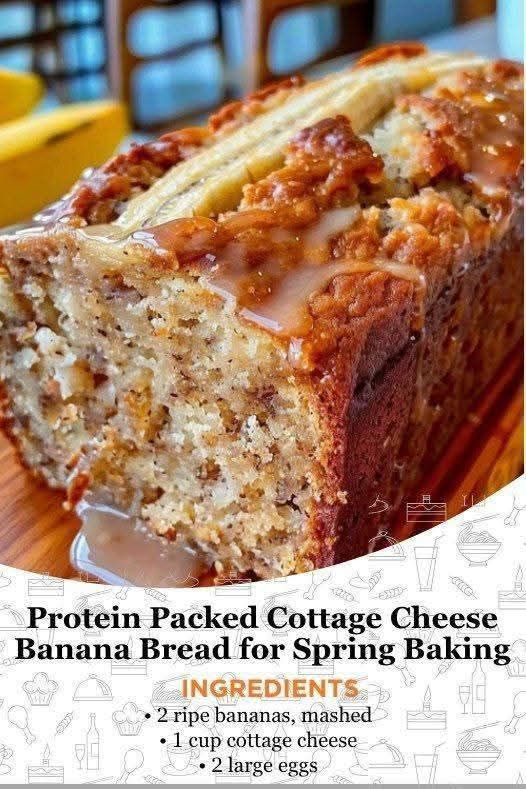
Stop settling for store-bought bread that lacks soul. Discover the secret to crafting a professional-grade, pillowy-soft, and decadently rich Brioche loaf right in your own kitchen—no bakery experience required!
Imagine walking into your kitchen and being greeted by the intoxicating aroma of toasted butter, sweet yeast, and warm vanilla. You pull a loaf from the oven, its crust a shimmering, deep mahogany gold that crackles ever so slightly under the touch. As you slice into it, the interior reveals a tight, fine crumb that feels like pulling apart a cloud. This isn't just bread; it is an experience. This Brioche is the pinnacle of French baking—a luxurious, enriched dough that balances a delicate sweetness with a profound, velvety fat content. Whether you are elevating your morning French toast or creating the ultimate gourmet burger, this recipe is the gold standard that will transform your baking from ordinary to extraordinary.
Why You’ll Love This Brioche Recipe
If you have ever been intimidated by enriched doughs, this recipe is designed specifically to build your confidence while delivering world-class results. Here is why this will become your most-requested recipe:
- Unmatched Texture: Achieve that signature "shredable" texture that only high-quality brioche can provide.
- Versatility at its Best: Transitions seamlessly from a decadent breakfast treat to a sophisticated savory sandwich base.
- Foolproof Method: We break down the complex science of emulsifying butter into dough so you can't fail.
- Professional Results: Your kitchen will smell like a high-end Parisian boulangerie.
- Crowd-Pleasing Indulgence: It is a showstopper recipe that makes every meal feel like a special occasion.
The Essential Ingredients
To create a true Brioche, quality is paramount. Because this recipe relies on a high ratio of fats and liquids, the integrity of your ingredients will directly impact the final crumb and flavor profile.
The Dry Foundation
- All-Purpose Flour (440g / 3 1/2 cups): Provides the structure needed to hold the heavy amount of fat and eggs. For an even more professional texture, you can use bread flour for extra chew.
- Granulated Sugar (50g / 1/4 cup): Beyond sweetness, sugar aids in the browning process (Maillard reaction) and provides food for the yeast.
- Fine Sea Salt (1 teaspoon): Essential for controlling yeast fermentation and balancing the richness of the butter.
- Instant Yeast (2 1/4 teaspoons): The engine of your bread. Using instant yeast ensures a reliable rise without the need for a lengthy blooming process.
The Enriching Liquids
- Whole Milk (80ml / 1/3 cup): Must be warmed slightly. The fats in whole milk contribute to the softness of the crumb.
- Large Eggs (4): These are the heart of Brioche. They provide structure, color, and an incredible richness. Crucial: Ensure these are at room temperature.
The Star of the Show
- Unsalted Butter (113g / 1/2 cup): High-quality, European-style butter is highly recommended. It should be softened and cut into small cubes for easy incorporation.
Step-by-Step Instructions for Perfection
- Prepare the Dough Base: In the bowl of a stand mixer fitted with a dough hook, combine your flour, sugar, salt, and instant yeast. Sift them together if you want to ensure there are no clumps. Once combined, pour in your warmed milk and your four room-temperature eggs. Mix on low speed until a shaggy, cohesive dough forms and no dry flour remains at the bottom of the bowl. This stage is all about creating the initial structure before we introduce the heavy fats.
- The Critical Butter Incorporation: This is where most home bakers struggle, but it is the secret to success. With the mixer running on medium-low, add your softened, cubed butter one piece at a time. Do not rush this! Wait until each piece is almost entirely absorbed by the dough before adding the next. As the butter integrates, the dough will transform from a sticky mess into a smooth, shiny, and incredibly elastic mass. This process, known as emulsification, is what creates the velvety texture of Brioche.
- The First Rise (Bulk Fermentation): Transfer your beautiful, buttery dough into a large, lightly greased bowl. Cover it with a clean damp cloth or plastic wrap to prevent a skin from forming. Place the bowl in a warm, draft-free spot. Let it rise until it has doubled in size, which typically takes between 1 to 2 hours. This period is vital for developing the complex flavors and the airy structure of the bread.
- Shaping the Loaf: Once the dough has doubled, gently punch it down to release the large carbon dioxide bubbles. Turn the dough onto a lightly floured surface. Shape it into a tight, smooth log and place it into a greased 9x5 inch loaf pan. Shaping it tightly ensures that as the bread rises, it expands upward rather than spreading outward, giving you that beautiful high-domed look.
- The Second Rise (Proofing): Cover the loaf pan loosely and let the dough rise again for about 45 to 60 minutes. You are looking for the dough to rise just above the rim of the pan. This second proof is what ensures the bread is light and airy rather than dense. If you under-proof, the bread will be heavy; if you over-proof, it may collapse in the oven.
- The Signature Egg Wash: Preheat your oven to 375°F (190°C). In a small ramekin, whisk together one egg and one tablespoon of water. Using a pastry brush, gently coat the entire surface of the dough with this mixture. This step is non-negotiable if you want that professional, glossy, deep-golden crust that defines authentic Brioche.
- Baking to Golden Perfection: Slide the pan into the center of the oven. Bake for 25 to 30 minutes. You are looking for a rich, deep golden brown color. To ensure it is cooked through, carefully tap the top of the loaf; it should sound hollow. If you have an instant-read thermometer, the internal temperature should reach approximately 190°F (88°C).
- The Cooling Phase: This is the hardest part—waiting! Transfer the loaf to a wire rack and let it cool completely before slicing. Slicing into hot bread can cause the steam to escape too quickly, resulting in a gummy texture. Cooling allows the internal structure to set perfectly.
Pro Tips & Secrets for Bakery-Quality Results
To elevate your Brioche from "good" to "legendary," keep these expert secrets in mind:
- The Temperature Rule: Never use cold eggs or cold butter. Cold ingredients will seize the dough and prevent the yeast from working efficiently, resulting in a dense, heavy loaf.
- Master the Windowpane Test: To know if you've kneaded enough, take a small piece of dough and stretch it gently. If it stretches thin enough to see light through it without tearing, your gluten development is perfect.
- Don't Skimp on Kneading: Brioche dough is heavy. If you are using a stand mixer, don't be afraid to let it work for the full 8–10 minutes. The dough needs that strength to hold the weight of the butter.
- The Overnight Advantage: For the most incredible flavor, after the first rise, punch the dough down, place it in the fridge, and let it rise overnight. Cold fermentation slows down the yeast, allowing deeper, more complex flavors to develop.
- Avoid Flour Overload: While the dough will feel very sticky during the butter incorporation stage, resist the urge to add massive amounts of extra flour. A slightly tacky dough results in a much softer crumb.
Variations & Substitutions
Once you have mastered the classic recipe, you can begin to experiment with these delightful variations:
- The Sweet Morning Swirl: During the shaping stage, roll the dough out flat and spread with cinnamon sugar or chocolate hazelnut spread before rolling it up into a loaf.
- Savory Garlic & Herb: Incorporate dried rosemary, thyme, and finely minced garlic into the dough during the first mixing stage for a perfect dinner roll or sandwich bread.
- The Healthy Twist: Swap half of the all-purpose flour for whole wheat flour and replace a portion of the butter with Greek yogurt for a nutrient-dense, slightly tangier loaf.
- Fruit-Infused Brioche: Gently fold in dried cranberries, raisins, or candied orange peel during the final stages of kneading for a festive, seasonal treat.
Serving Suggestions & Pairings
Brioche is a culinary chameleon. For a luxurious breakfast, slice thick and soak in a vanilla-bean custard for the ultimate French Toast. For a savory lunch, use it as the base for a Gourmet Wagyu Burger or a Monte Cristo sandwich. If you want to keep it simple, serve warm slices with salted honey butter or a high-quality fruit preserve. Drink Pairings: Pair your sweet Brioche with a creamy café au lait or a bright Earl Grey tea. For a more sophisticated brunch, a glass of chilled Prosecco or a Mimosa complements the buttery notes beautifully.
Make-Ahead, Storage & Reheating Tips
Storage: To keep your Brioche fresh, allow it to cool completely. Wrap it tightly in plastic wrap or store it in an airtight container at room temperature for up to 3 days.
Refrigeration: While you can refrigerate it for up to a week, be aware that the cold can slightly accelerate staling. If you do refrigerate, always reheat before eating.
Freezing: This bread freezes beautifully! Slice the loaf first, wrap the slices in parchment paper, and place them in a heavy-duty freezer bag. It will stay fresh for up to 3 months.
Reheating: To bring back that "just-baked" magic, reheat slices in a toaster or place the whole loaf in a 350°F oven for 5–10 minutes. For frozen slices, you can pop them straight into the toaster!
Frequently Asked Questions (FAQ)
Why is my Brioche bread dense instead of airy?
A dense loaf is usually caused by one of three things: under-proofing (not letting it rise long enough), insufficient kneading (not developing enough gluten to hold the air), or using cold ingredients which prevented the yeast from activating properly.
Can I use bread flour instead of all-purpose flour?
Yes! In fact, many professional bakers prefer bread flour for Brioche because the higher protein content provides extra strength to support the heavy amount of butter and eggs, resulting in an even better structure.
How do I know if my dough is kneaded enough?
Perform the "Windowpane Test." Take a small piece of dough and gently stretch it between your fingers. If you can stretch it thin enough to see light through it without the dough tearing, the gluten is perfectly developed.
Can I make this recipe in a bread machine?
Absolutely. Simply follow the order of ingredients required by your machine (usually liquids first, then dry, then fats) and use the "Dough" setting. However, for the best texture, the manual kneading method in a stand mixer is highly recommended.
Experience the Joy of Baking
There is something profoundly rewarding about creating a masterpiece from simple ingredients like flour, eggs, and butter. This Brioche recipe is more than just a way to make food; it is a way to bring warmth, luxury, and a touch of French elegance into your home. Whether you are baking this for a holiday feast or a quiet Sunday morning, the result is guaranteed to impress.
Don't wait—preheat your oven and start your journey into the world of enriched doughs today! If you try this recipe, please leave a comment below and let me know how it turned out. Don't forget to share your beautiful golden loaves on social media and tag us! Happy baking!